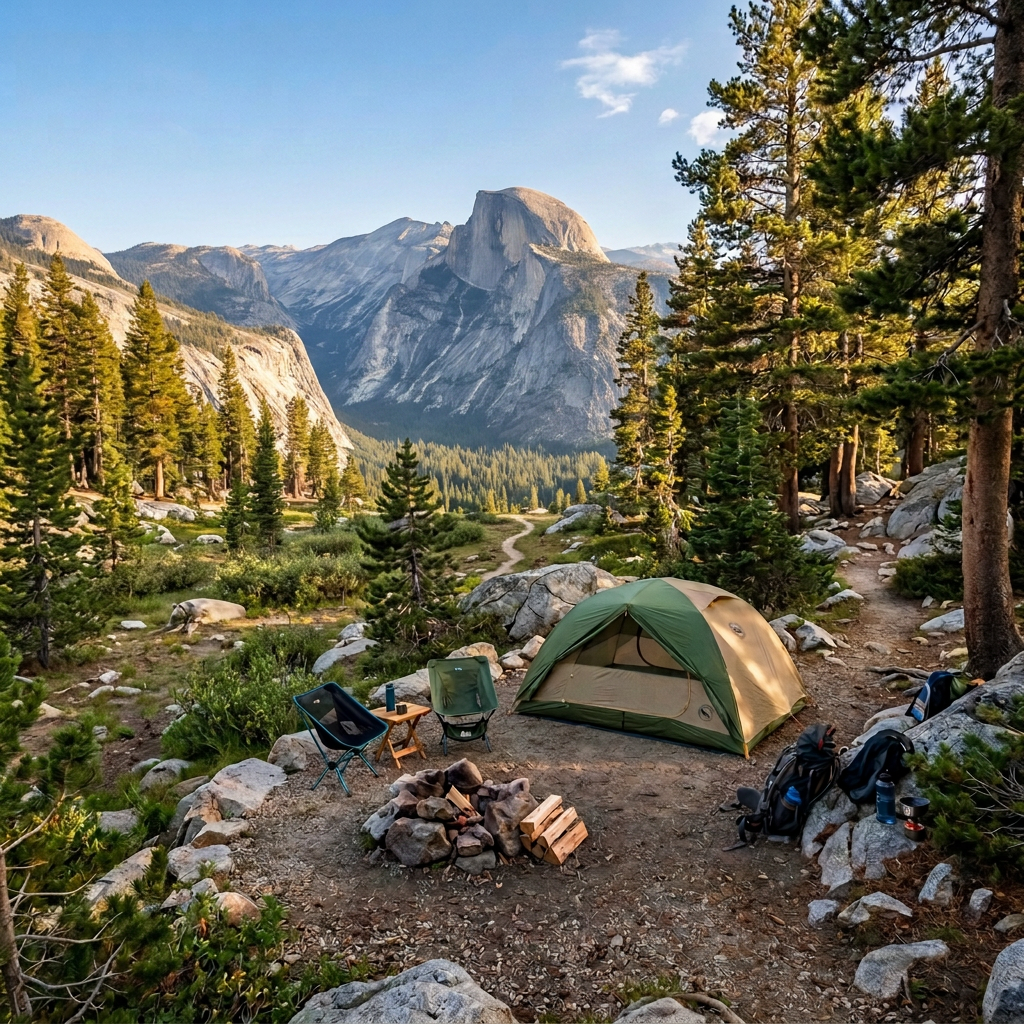
Yosemite is my all time favorite. Hard to get the reservation but so worth the work. A park ranger there once told me the reason you feel so healthy there is because you are inside a natural bowl and all the trees are pumping out oxygen.
California mountain camping centers on the Sierra Nevada, Cascades, and southern ranges (San Bernardinos, San Gabriels/Angeles National Forest, etc.). There are hundreds of sites across national parks, national forests, and state parks. Here’s a practical selection of major and popular developed mountain campgrounds, with short descriptions, best times, main activities, and reservation links—mirroring the style of the beach and desert lists.
General best times: Late spring through early fall (roughly May–October, weather-dependent). Higher elevations often open later (June/July) due to snow and close earlier. Shoulder seasons (late spring/early fall) offer fewer crowds and pleasant temperatures. Summer is peak but can be busy and sometimes smoky from wildfires. Winter camping is limited and requires preparation for snow/cold. Always check current road/campground status, snow levels, and fire restrictions.
Main reservation systems:
- National Parks & most National Forests: Recreation.gov (or 1-877-444-6777; windows often 4–6 months ahead).
- California State Parks: ReserveCalifornia.com (or 1-800-444-7275; up to 6 months ahead).
- Many forest sites are first-come/first-served or have mixed systems. Book early for popular weekends and holidays.
Yosemite National Park (iconic Sierra granite, waterfalls, high country)
- Upper/Lower Pines, North Pines (Yosemite Valley) — Classic valley floor sites amid towering cliffs and meadows. Activities: hiking (Valley trails, Mist Trail, etc.), waterfall viewing, rock climbing access, wildlife. Best: April–October (reservations required peak season). Reserve: Recreation.gov / nps.gov/yose camping. Note: Extremely competitive—book the moment windows open.
- Tuolumne Meadows — High-country (≈8,600 ft) sites near alpine meadows and lakes on Tioga Road. Activities: high-elevation hiking (Cathedral Lakes, etc.), backpacking starts, solitude relative to the Valley. Best: July–September (road typically open then). Reserve: Recreation.gov (shorter window for some sites).
- Other options: White Wolf, Crane Flat, Hodgdon Meadow, etc.—check Recreation.gov for current availability and openings.
Sequoia & Kings Canyon National Parks (giant sequoias + deep canyons)
- Lodgepole — Popular riverside sites near amenities and trailheads. Activities: sequoia grove visits, hiking (Tokopah Falls, Twin Lakes), ranger programs. Best: May–October. Reserve: Recreation.gov.
- Dorst Creek, Potwisha, Buckeye Flat, Sentinel, Moraine, and others — Range from lower-elevation (warmer, earlier season) to higher forested sites. Activities: giant tree viewing, canyon hiking, river access. Best: spring–fall (many seasonal). Nearly all require advance reservations via Recreation.gov.
Lake Tahoe Basin / Tahoe National Forest
- Fallen Leaf Campground — Large site near Fallen Leaf Lake and close to Lake Tahoe’s south shore. Activities: lake swimming/boating, hiking, beach access nearby. Best: mid-May–mid-October. Reserve: Recreation.gov.
- William Kent, Meeks Bay, Nevada Beach, and other Basin sites — Lakeside or near-shore options with varying amenities. Activities: water sports, hiking, Tahoe Rim Trail access. Best: summer. Via Recreation.gov (Lake Tahoe Basin Management Unit).
- Ed Z’berg Sugar Pine Point State Park — West-shore forested sites with lake access. Activities: hiking, beach, historic sites. Best: summer. Reserve: ReserveCalifornia.com.
- Tahoe National Forest has dozens more (many first-come or reservable)—search Recreation.gov by forest name.
Lassen Volcanic National Park (volcanic landscapes, lakes, forests)
- Manzanita Lake — Popular developed site with lake views and amenities (including nearby cabins). Activities: lake kayaking/swimming, hiking, volcanic features, stargazing. Best: late May–October. Reserve: Recreation.gov.
- Summit Lake (North/South), Butte Lake, and others — Higher or more remote options. Activities: hiking (Cinder Cone, etc.), solitude, alpine scenery. Best: summer (weather-dependent). Via Recreation.gov.
Eastern Sierra / Inyo National Forest (high alpine, lakes, dramatic peaks)
Popular areas include around Mammoth Lakes, Bishop, and June Lake. Examples:
- Sites near Rock Creek, Convict Lake, Twin Lakes, Big Pine Creek, etc. — High-elevation forest/lake settings. Activities: hiking (Little Lakes Valley, etc.), fishing, backpacking access, hot springs nearby in some areas. Best: June–September. Many via Recreation.gov (Inyo NF) or first-come.
- Whitney Portal area — Base for Mt. Whitney approaches (reservations/permits often needed for the peak itself).
Southern California Mountains
- Angeles National Forest (e.g., Buckhorn, Chilao, Crystal Lake, Table Mountain) — Pine forests and peaks accessible from LA. Activities: hiking (e.g., to waterfalls or Mt. Waterman), cooler summer escapes, stargazing. Best: spring–fall (higher sites snowier in winter). Mix of first-come and reservable via Recreation.gov.
- San Bernardino National Forest (Big Bear, Lake Arrowhead areas) — Lakeside and forest sites; popular for families. Search Recreation.gov or local forest pages.
- State parks like Mount San Jacinto, Cuyamaca Rancho, or Palomar Mountain offer additional mountain options via ReserveCalifornia.
Additional notes:
- National Forests (Sierra, Stanislaus, Eldorado, Plumas, etc.) have extensive developed + dispersed camping. Dispersed is often free with 14-day limits—follow local rules and Leave No Trace.
- Bear country is widespread—use food lockers and proper storage.
- High elevations mean thinner air, rapid weather changes, and potential for afternoon thunderstorms.
- Always verify current conditions (roads, water availability, fire bans, seasonal closures) on official NPS, USFS, or parks.ca.gov sites, as snow, wildfires, and construction frequently affect access.
For the fullest options, start at Recreation.gov and search by park/forest name or region, or use ReserveCalifornia.com for state parks. Mountain camping delivers classic California alpine scenery, trails, and cooler temps—book early for the best sites! Let me know if you want details on a specific area or elevation range.

