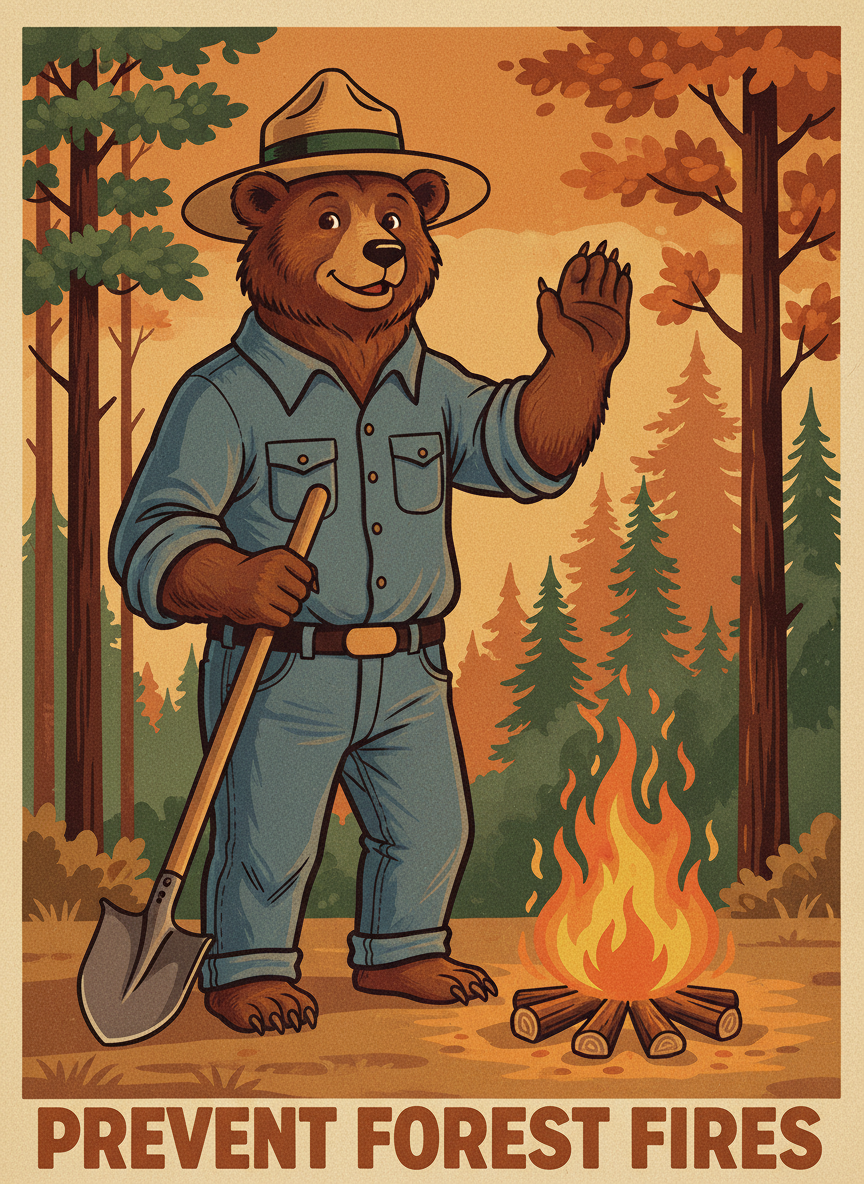
🔥 Campfire Safety Guide
Campfires are the heart of camping — gathering around the flames, roasting marshmallows, and sharing stories under the stars. But a campfire you can’t put out is a wildfire waiting to happen. Let’s keep those flames fun and safe! This guide draws from trusted sources like the Boy Scouts of America, National Park Service, and US Forest Service to help you build and enjoy campfires responsibly.
🪨 Before You Build a Fire
The best campfire is one that’s planned responsibly from the start. Take these steps before you even think about striking a match:
- Check fire restrictions BEFORE you go. Call the local ranger station or check the Forest Service website before your trip. Fire bans can change daily based on weather conditions, and violating them can result in hefty fines.
- Use only established fire rings or designated areas. These exist for good reason — they concentrate fire impact and make fires easier to contain and extinguish.
- Clear a 10-foot diameter area around your fire ring of all leaves, grass, pine needles, and other debris. This creates a safe buffer zone against accidental spread.
- Keep a bucket of water and shovel nearby. Position them within arm’s reach before you light anything. No water source? Don’t build the fire.
- Never build a fire on a windy day. Wind can carry embers far from your site and make the fire unpredictable. If conditions are breezy, skip the campfire altogether.
🪵 Building Your Fire Safely
Think of your campfire like a recipe — the right ingredients and technique make all the difference:
- Keep it small — only as big as you need. A small fire is easier to control, uses less wood, and is easier to extinguish. You don’t need a roaring inferno to roast marshmallows!
- Use local firewood only. Never transport firewood from home or buy it from distant sources. Transporting firewood spreads invasive species and pests. Collect dead wood at your campsite or buy local bundles at the ranger station.
- Never use gasoline, lighter fluid, or other accelerants. These are unpredictable, dangerous, and unnecessary. Good dry wood lights easily without them.
- Use dry wood — wet wood creates excessive smoke. Look for dead branches on the ground or standing dead trees. If wood bends easily, it’s too wet. Properly seasoned wood snaps and breaks cleanly.
- Build away from tents, overhanging branches, and dry grass. Position your fire at least 15 feet from your tent and any low-hanging vegetation. Sparks travel farther than you think!
👀 While the Fire is Burning
A burning campfire demands your full attention. Here’s what responsible fire management looks like:
- NEVER leave a fire unattended — not even for a minute. This is a core Boy Scouts rule for good reason. The moment you stop watching is the moment something goes wrong. If you need to leave, extinguish the fire completely.
- Keep children and pets at least 3 feet away at all times. Burns happen in seconds. Make it a family rule: no running, jumping, or playing near the fire ring.
- Always have a responsible adult present. The person tending the fire should be alert, sober, and able to react quickly if needed.
- Never burn trash, plastics, or aerosol cans. These create toxic fumes and can explode. Stick to natural wood only.
- Keep the fire small and manageable. If you can’t maintain it comfortably, it’s too big. Extinguish it immediately.
- Don’t wear loose, flowing clothing near the fire. Stick to fitted clothes or tie back long hair. Loose clothing can catch fire in a heartbeat.
💧 Extinguishing Your Fire — The Most Important Step
How you end your fire is just as important as how you start it. The National Park Service and US Forest Service recommend the “Drown, Stir, Feel” method:
- DROWN: Pour water on the fire until the hissing stops. Use your full bucket. Don’t be stingy — you need enough water to penetrate all the embers.
- STIR: Stir the embers and ashes with a stick or shovel, mixing the wet ashes and breaking up any hot spots you can’t see.
- FEEL: Feel the area with the BACK of your hand (never your palm or fingers) to check for heat. Hold it a few inches above the ashes and embers.
- REPEAT: Add more water and stir again if you feel any warmth. Keep repeating until everything is cold to the touch.
⚠️ If it’s too hot to touch, it’s too hot to leave! This simple rule has prevented countless wildfires. Every year, campers leave fires that seemed “dead” only to have them reignite hours later in the wind. Don’t become a statistic.
📋 Know the Rules & Restrictions
Fire restrictions are there to protect forests, wildlife, and fellow campers. Ignorance is not an excuse, and violations can result in serious consequences:
- Always check fire restrictions BEFORE your trip. Visit recreation.gov, the local National Forest or Park website, or call the ranger station. Don’t wait until you arrive at the campground.
- Fire bans can change daily based on weather conditions, fuel moisture, and fire danger forecasts. What was allowed yesterday might be banned today.
- Some national parks and forests prohibit campfires entirely. These areas might offer designated fire pits at developed campgrounds, or fires might be banned everywhere. Know before you go.
- Violating fire restrictions can result in heavy fines — often $500 to $5,000 or more, plus potential legal liability if your fire escapes. It’s not worth the risk.
🌿 Leave No Trace Fire Principles
Being a responsible camper means leaving your campsite better than you found it. Here’s how to practice Leave No Trace principles with fire:
- Use established fire rings whenever possible. Don’t create new fire scars on the landscape. When you use an existing ring, you contain the visual and ecological impact.
- Keep fires small. Smaller fires are easier to manage, use less wood, and minimize ecological impact.
- Burn wood completely down to ash. Don’t leave charred logs in the fire ring. Break larger pieces into smaller kindling that will burn completely.
- Pack out what you pack in — never bury ash or coals. Spread cold ashes thinly away from the campsite or pack them out. Buried coals can reactivate and smolder underground for weeks.
- Use a fire pan or mound fire when no ring is available. In backcountry sites without rings, place your fire on a metal fire pan or build a mineral soil mound to protect the ground beneath.
🎒 Fire Safety Gear to Bring
Pack these essentials before every camping trip with a campfire:
- Bucket of water (always full and nearby). A 3-5 gallon bucket filled and positioned within arm’s reach of your fire ring is non-negotiable.
- Shovel or trowel. Useful for stirring ashes, spreading fire, and clearing the area around your fire ring.
- Fire extinguisher (especially for car camping). A small, multi-purpose extinguisher provides backup protection and peace of mind. Check the expiration date before your trip.
- First aid kit with burn treatment supplies. Include antibiotic ointment, sterile gauze, and blister treatment. Burns need immediate care, even minor ones.
Remember: A campfire you can’t put out is a wildfire waiting to happen. When in doubt — put it out! This simple mantra has prevented countless disasters. Campfires are one of camping’s greatest joys, but only when they’re managed safely. Your family, your fellow campers, and our forests will thank you.
📚 Sources & References
This guide draws from trusted sources dedicated to outdoor safety and Leave No Trace principles:
- Boy Scouts of America (BSA) — Camping and fire safety merit badge requirements and handbooks
- National Park Service (NPS) — Campfire safety, fire restrictions, and “Drown, Stir, Feel” method
- US Forest Service (USFS) — Fire restrictions, Leave No Trace principles, and wildfire prevention
Happy (and safe) camping! 🏕️

