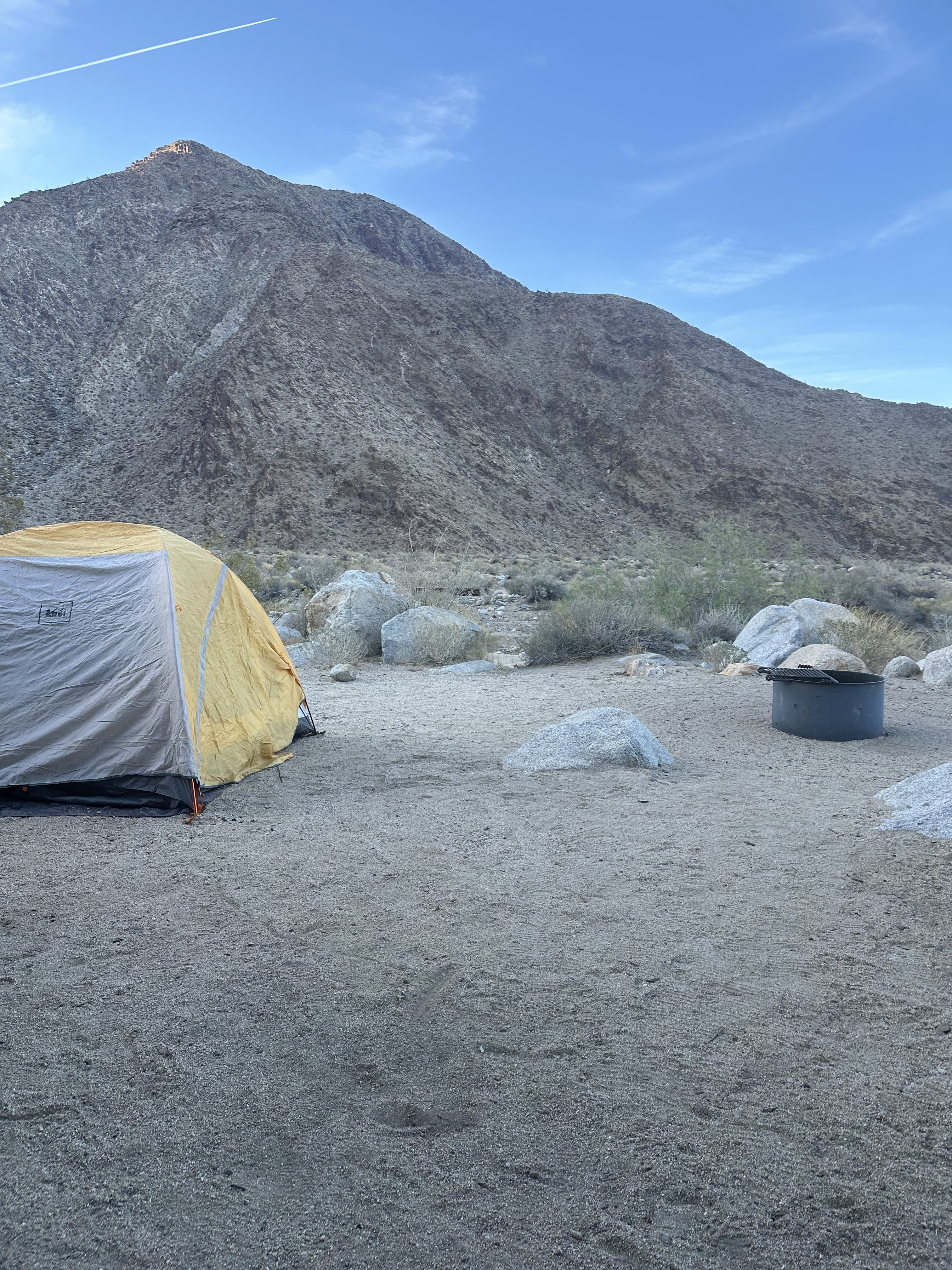
More fun than you think!
Keep your kids close or bring walkie talkies, it’s super easy to get lost in the desert – but what a great time and some of the best star gazing opportunities.
California has extensive desert camping options, especially in the southern and southeastern parts of the state. Unlike beach sites, many allow more dispersed/primitive camping (with rules). A complete list of every possible spot (including all BLM dispersed areas) is impractical, as there are hundreds of potential sites. Here’s a practical selection of major developed and popular public desert campgrounds, grouped by main areas, with short descriptions, best times, main activities, and reservation links.
General best times for California desert camping: October–April (peak season, milder days/nights). November–March is often ideal for comfort. Spring (March–April) can bring wildflower blooms (especially Anza-Borrego). Avoid summer (May–September) at lower elevations due to extreme heat (often 100°F+/40°C+), though higher-elevation sites are more usable. Always check weather, bring ample water, and prepare for big temperature swings, wind, and limited services.
Key reservation systems:
- Most California State Parks: ReserveCalifornia.com (or 1-800-444-7275; up to 6 months ahead).
- National Parks (Joshua Tree, Death Valley, Mojave Preserve): Recreation.gov (or 1-877-444-6777; typically up to 6 months ahead).
- Many sites are first-come/first-served or have seasonal reservation windows. Book early for weekends/holidays in peak season.
Here are some great parks!
Anza-Borrego Desert State Park (largest state park in CA; vast desert + mountains)
 Borrego Palm Canyon Campground — Developed sites near the visitor center and a popular palm oasis trail; some shade and facilities. Activities: hiking (Palm Canyon), wildflower viewing, stargazing, wildlife. Best: Oct–April (reservations often limited to this window). Reserve: ReserveCalifornia.
- The Palms at Indian Head have a nice restaurant that makes good drinks. Carlee’s in town is a fun place to cool off and grab a bite with a beer.
- Tamarisk Grove Campground — Shaded sites under tamarisk trees with good facilities. Activities: hiking, birding, exploring nearby canyons. Best: fall–spring. Reserve: ReserveCalifornia.
- Bow Willow & other primitive/developed spots — More basic or first-come options; also extensive free dispersed camping along many dirt roads (park within rules, usually near existing clearings; no ground fires in some areas; stay limits apply). Activities: solitude, 4×4 exploration, hiking slot canyons, stargazing. Best: cooler months. Check parks.ca.gov for current rules; developed sites via ReserveCalifornia where applicable.
- Agua Caliente County Park — Hot springs + camping (county-managed). Activities: soaking, desert exploration. Reserve via San Diego County Parks system.
- excellent for free/dispersed camping – they have a pool too!. Some great mod caves to explore and trails for high-clearance vehicles—follow Leave No Trace and current park rules. There is a stream that runs through it which you should avoid camping by — frogs are croaking all night!
Joshua Tree National Park
Popular developed campgrounds (many now reservation-required, especially peak season):
- Jumbo Rocks — Iconic sites scattered among massive granite boulders. Activities: rock climbing/bouldering, hiking, photography, stargazing. Best: Oct–May. Reserve: Recreation.gov.
- Black Rock — Higher elevation, more facilities (water, flush toilets), family-friendly. Activities: hiking, climbing, cooler temperatures. Best: fall–spring. Reserve: Recreation.gov.
- Indian Cove — Near the north entrance, boulder-strewn. Activities: climbing, short hikes. Reserve: Recreation.gov.
- All of the Joshua Tree camping is great desert camping. Special note, there is a bath house in town should you need it!
- Cottonwood — Southern entrance, more open desert feel with facilities. Activities: hiking, quieter vibe. Reserve: Recreation.gov.
- Ryan, Belle, Hidden Valley, White Tank — Mix of reservation and first-come/first-served; classic desert boulder scenery. Activities: climbing, hiking (e.g., Ryan Mountain), stargazing. Check current status on NPS site / Recreation.gov.
Backcountry/dispersed camping is allowed with restrictions (hike in, distance from roads/trails). Park entrance fee required separately.
Death Valley National Park
Extreme environment—plan carefully for heat, remoteness, and services.
- Furnace Creek Campground — Most developed NPS site (some full hookups); central location near visitor center and amenities. Activities: exploring Badwater Basin, Dante’s View, Mesquite Flat Dunes, hiking, stargazing. Best: mid-Oct–mid-April (reservations available then; limited summer options). Reserve: Recreation.gov.
- Texas Springs, Sunset, Stovepipe Wells — Nearby lower-elevation options (mostly first-come/first-served when open; seasonal). Activities: similar to Furnace Creek area. Check NPS for seasonal openings.
- Higher-elevation sites (Mesquite Spring, Emigrant, Wildrose, Thorndike, Mahogany Flat) — Cooler alternatives (some primitive, high-clearance or 4WD needed for highest). Activities: escape heat, hiking, solitude. Mostly first-come/first-served; some summer-usable. Details: nps.gov/deva camping.
- Private options exist near the park (e.g., Fiddlers’ Campground at The Oasis).
Mojave National Preserve
- Hole-in-the-Wall Campground — Sites against sculpted volcanic rock walls; good base for hiking. Activities: Rings Trail hike, exploring lava tubes/rock formations, solitude. Best: spring/fall (cooler at 4,400 ft). Reserve: Recreation.gov (check current).
- Mid Hills Campground — Higher elevation (~5,600 ft) amid pinyon-juniper; cooler. Activities: hiking, wildlife viewing, quieter camping. Best: spring–fall. Via Recreation.gov / NPS.
Other Notable Desert Sites
- Red Rock Canyon State Park (Ricardo Campground) — Dramatic cliffs and colorful rock formations (southern Sierra edge). Primitive sites with tables/fire rings (no hookups/showers). Activities: hiking, photography, geology, stargazing. Best: spring/fall weekends fill fast. First-come/first-served (no reservations). Info: parks.ca.gov.
- Ocotillo Wells State Vehicular Recreation Area — Open dispersed/primitive camping (free, up to 30 days/year limits) geared toward OHV. Activities: off-roading, dune exploration, desert camping. Best: cooler months. No reservations needed for most camping; follow specific area restrictions. Info: ohv.parks.ca.gov.
- BLM lands & Long-Term Visitor Areas (LTVAs) — Extensive free/dispersed camping across the California desert (e.g., near Imperial, Colorado River areas). Stay limits typically 14 days in 28; some LTVAs allow longer winter stays with permits. Activities: solitude, boondocking, off-roading where allowed. Check local BLM field offices for rules and maps.
Important tips:
- Water is scarce—bring plenty (and know sources).
- Extreme heat, flash floods, and limited cell service are real risks.
- Fire restrictions are common; use established rings or gas stoves.
- Many areas require high-clearance or 4WD for best access.
- Always check official park websites for current conditions, fees, pet rules, and closures before going.
- For more options, search http://www.Recreation.gov by park name, or explore Hipcamp/BLM maps for private and dispersed sites.
Start with the major parks above via the linked reservation systems. Desert camping offers incredible solitude, night skies, and unique landscapes when timed right!

